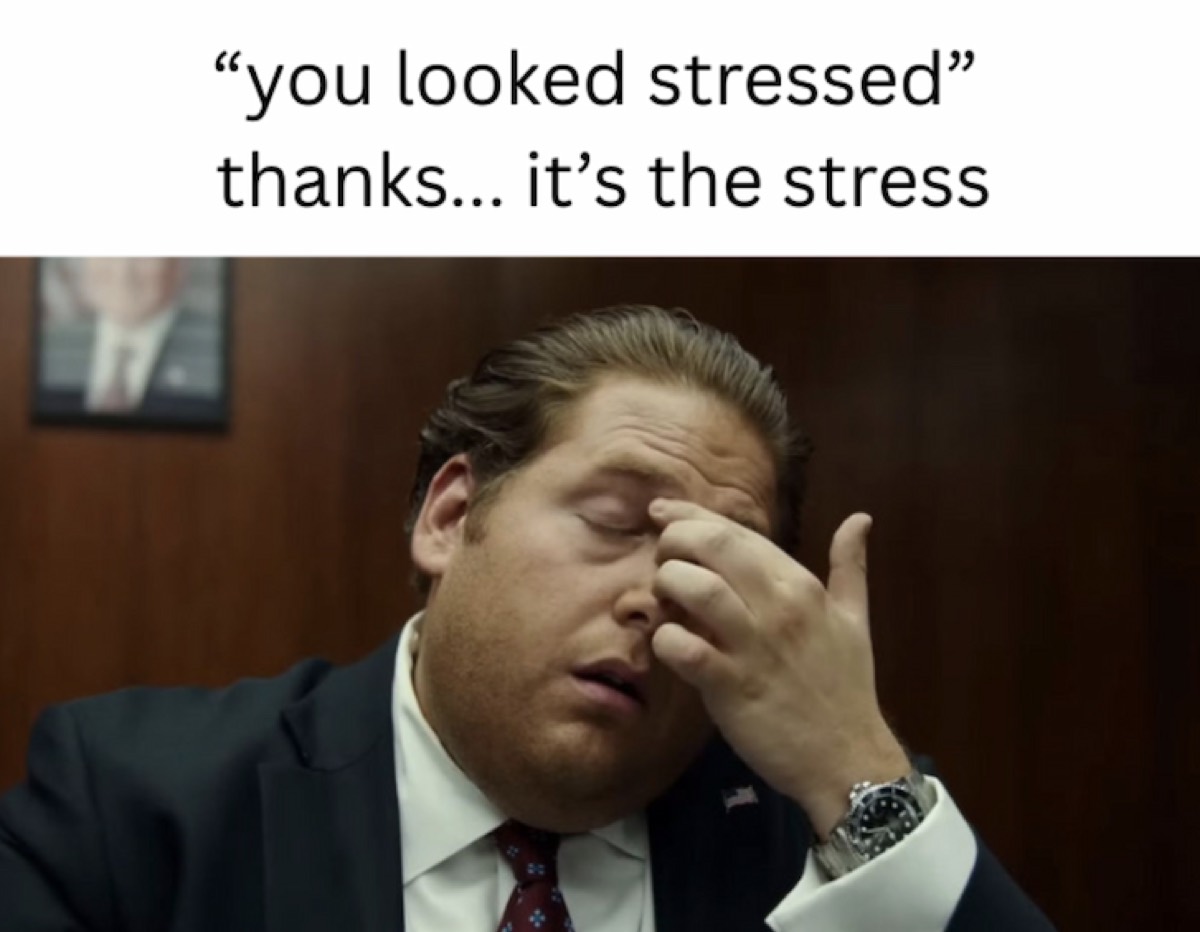
Stress Can Age You by 10+ Years
Hi friend,
Stress is a biological event with a biological cost. It shortens your telomeres.
Telomeres are protective caps that sit on the end of your chromosomes and get shorter with age.
In one study, women with the highest levels of perceived stress had telomeres shorter by the equivalent of 10 years or more of additional aging compared to women with low stress.
In this email:
- what stress does to the body
- why chronic stress is different from acute stress
- evidence-backed ways to protect yourself from stress
What stress does
Stress is your body's response to a perceived threat or demand. When it fires, your body releases cortisol, adrenaline, and noradrenaline.
These hormones increase your:
- blood pressure
- heart rate
- blood sugar
- breathing rate
Muscles tense. Sweating increases. Your body is preparing to fight or flee.
This is useful for short bursts. It kept early humans alive.
The problem is that the same system activates in response to an inbox, a deadline, or a difficult conversation. And it was not designed to run all day.
Why chronic stress is different
A single stressful event resolves. Chronic stress does not.
When your body is continuously exposed to stress hormones, it interferes with your cardiovascular, nervous, endocrine, and gastrointestinal systems.
The downstream risks include:
- anxiety and depression
- high blood pressure
- obesity and type 2 diabetes
- heart disease and stroke
When stressed, your immune system is weakened and you might struggle to sleep, which impacts your energy, mood, and long-term health.
Then there is the cellular layer.
Stress is associated with higher oxidative stress and lower activity of telomerase, the enzyme responsible for preventing telomeres from shortening too rapidly. Shorter telomeres mean older cells.
The stress you carry today may be registering in your biology years from now.
How to protect yourself from stress
It's not always possible, but if you can, aim to reduce the source of stress directly. Fewer work trips, more childcare, structural changes to your environment.
If that's not possible, these interventions have evidence behind them.
#1. Get enough sleep
Sleep is where your body repairs the damage stress inflicts. Aim to get 7–9 hours.
To protect sleep quality under stress:
- stop eating 4+ hours before bed
- do a relaxing wind-down routine 60 min before bed (read, walk, journal, hang out with family)
- keep a consistent sleep schedule
- use a temperature-controlled mattress to stay cool
#2. Exercise regularly
Exercise can reduce cortisol levels, especially mind-body practices like yoga. The greatest cortisol reductions come from 90–150 min of moderate-intensity exercise per week.
Exercise can also help you sleep, creating a compounding effect.
#3. Do breathing exercises
Diaphragmatic breathing (slow, deep breathing into your stomach, not chest) may lower blood pressure and cortisol levels.
Cyclic sighing (2 inhales followed by 1 longer exhale) can reduce respiratory rate, improve mood, and help you manage stress.
Even 5 min a day of mindfulness meditation or progressive muscle relaxation (tensing and relaxing muscles one by one) can significantly reduce stress.
#4. Eat healthy foods
In general, eating whole, healthy foods can help your body perform its best during and after times of stress.
Eat:
- fruits and veggies
- legumes
- lean proteins
- extra virgin olive oil
- nuts and seeds
- whole grains
Optional supplements:
- L-theanine can support mood, focus, and stress resilience.*
- ashwagandha and rhodiola can support calmness and resilience during stress, and support the body's healthy response to stress.*
──
Very little in life is worth 10 years of cellular aging.
Start with 1 thing on this list. Add it to your protocol this week. Sleep and breathing are free options.
Be well, Blueprint
Most emails suck. We're trying not to.
*These statements have not been evaluated by the Food and Drug Administration. This product is not intended to diagnose, treat, cure, or prevent any disease.
Originally published in Bryan Johnson's Blueprint newsletter (May 15, 2026). This content is for informational purposes only and is not medical advice. Consult your healthcare provider before starting any new wellness protocol.