My Oral Hygiene Protocol (2026)
Hi friend,
Gum disease (often due to untreated tooth decay) may increase the risk of heart disease by 20%.
Good oral hygiene may not only protect your teeth… but your whole body.
In this email:
- my oral hygiene routine
- oral health tips
- what to ask your dentist about
My oral care protocol
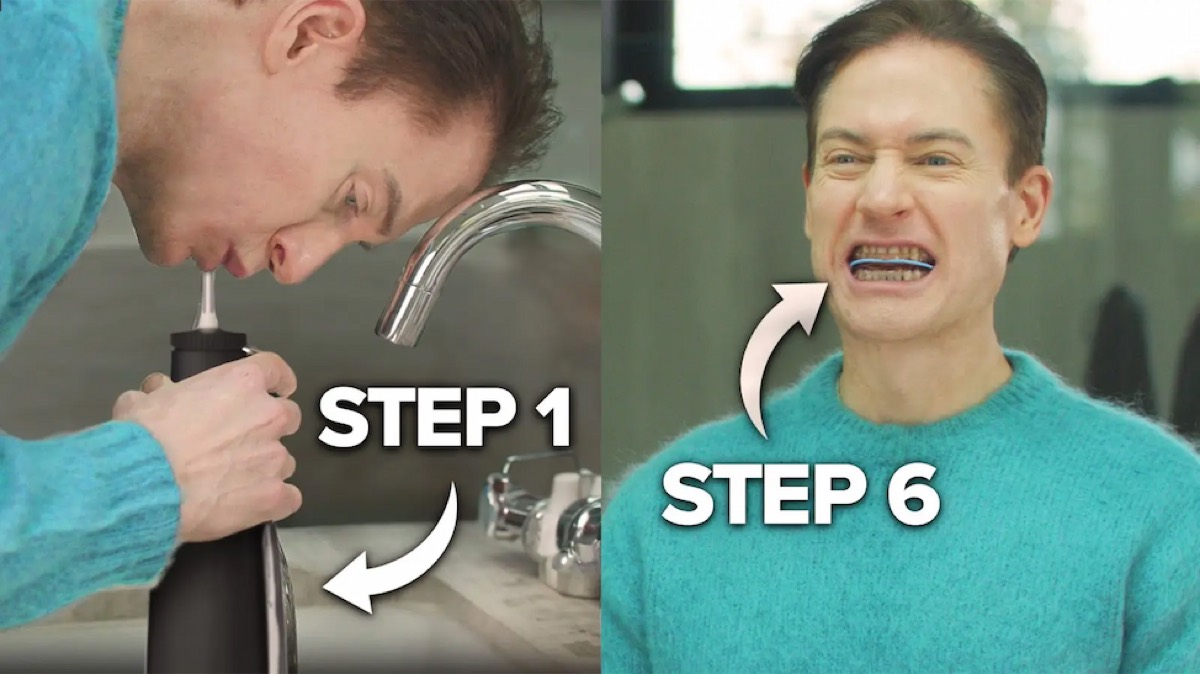
Here are 6 steps you can follow to get your oral health in order:
- #1. Water flosser: These devices use a high-pressure stream of water to remove food, plaque, and bacteria from hard-to-reach places. Do this morning and night.
- #2. Floss: After using the water flosser to loosen particles, use floss for plaque and debris removal. Morning and night.
- #3. Brush: You can use an electric or manual brush. Soft bristles clean without unneeded harshness on teeth or gums. Morning and night.
- #4. Tongue scraper: This is a game changer. It can significantly improve oral hygiene. The tongue needs cleaning, too. Morning and night.
- #5. Cleanings: Visit your dentist at least 2 times a year. It is important to identify problems early and remove hardened plaque. Even with diligent brushing and flossing at home, it's difficult to remove all plaque from your teeth.
- #6. Bruxism device: I ground my teeth at night for 20 years. A dentist on Blueprint recommended the SomnoDent Bruxism Device. If you have bruxism, speak to your dentist and consider a device. Wear while sleeping.
Oral hygiene tips
Follow these tips to maintain teeth and gum health:
- Reduce sugar: Try sugar alternatives like trehalose, monk fruit, xylitol, and allulose.
- Reduce acidic liquid: Avoid extended exposure to acidic fluids such as coffee and lemon water.
- Avoid dry mouth: Stay hydrated. Saliva protects your teeth by washing away food debris, neutralizing acid, and carrying essential ions like calcium, which help remineralize your enamel, making it stronger.
- Use a travel toothbrush when on the go: Throughout the day, you can sneak away to a bathroom and give your teeth a clean.
What to ask your dentist
As with anything, it's important to understand your baseline.
Ask your dentist to evaluate:
- Attachment loss: the loss of supportive tissue around teeth. Poor attachment can lead to tooth loss if severe.
- Pocket depth: measures from the top of the gum line to the bottom of the pocket where the gum attaches to the tooth. Healthy gums have a pocket depth of 1–3 mm.
- Plaque index: measures the thickness of dental plaque on the tooth's surface. Your dentist might stain your mouth with a solution that reveals the plaque.
- Gum bleeding: you want gums that don't bleed easily. Your dentist might check your gums to assess this.
These are small habits that will pay off in big ways.
──
Be well, Bryan
Originally published in Bryan Johnson's Blueprint newsletter (April 27, 2026). This content is for informational purposes only and is not medical advice. Consult your healthcare provider before starting any new wellness protocol.