The Silent Killer: The Top 7 Ways To Reverse Chronic Inflammation
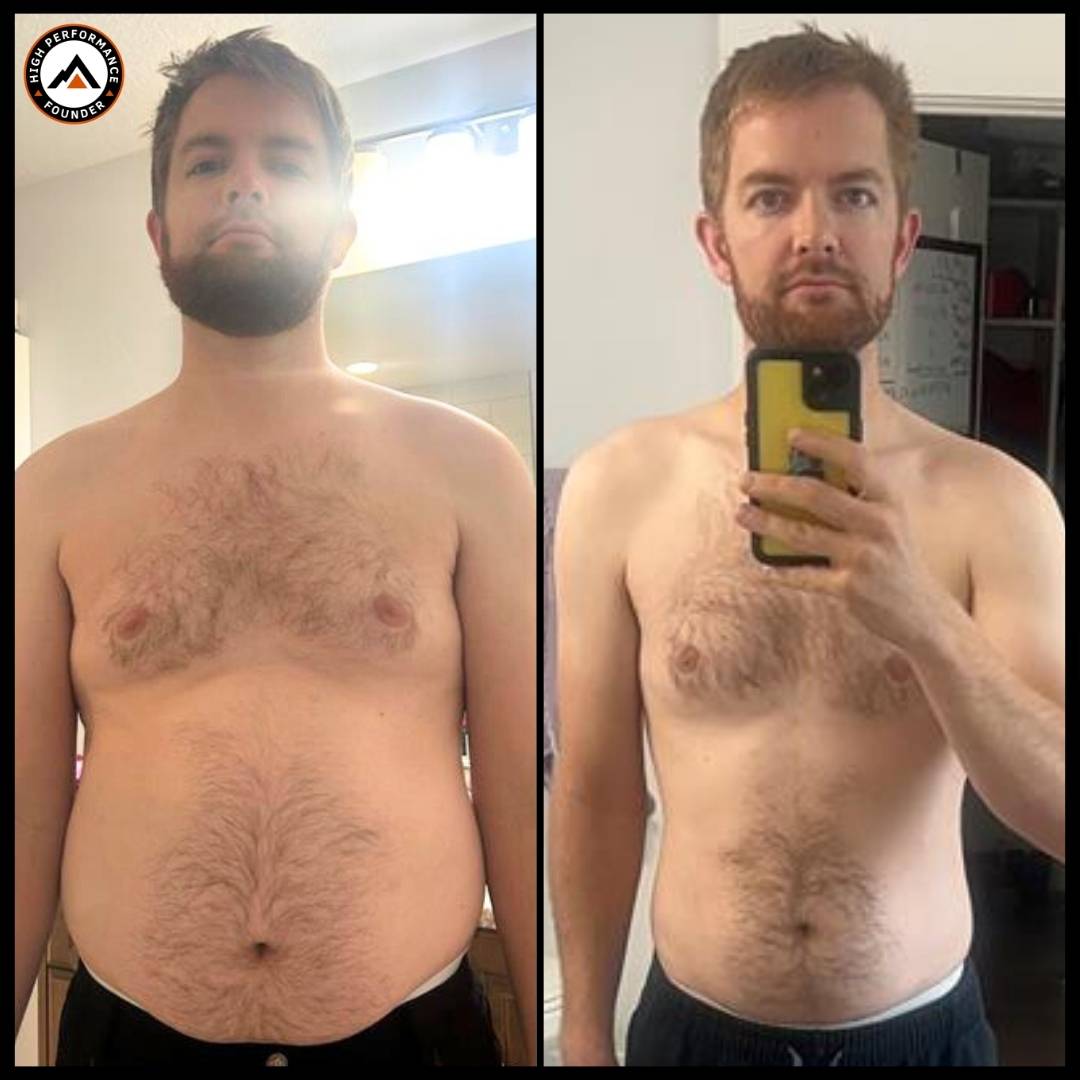
The other day, I was talking to our client, Eric.
For context: When we take on a client, one of the first things we ask them about is their struggles and daily experiences.
When Eric shared his "symptoms," they all pointed to something I see in many people who've let their bodies go: Inflammation.
Blood work confirmed he was living in a chronically inflamed state.
After 12 weeks on our program, we reversed it, along with his symptoms, so he could live a long, quality life again.
In today's newsletter, I'll share what inflammation is, how to spot chronic inflammation, and what to do about it.
You ready? Let's go 🔥
The Top 7 Ways To Reverse Chronic Inflammation
What Is Inflammation?
Inflammation is your body's natural defense against injury, infection, or harmful stimuli. It's needed for healing and protecting tissues.
Not all inflammation is bad:
Acute inflammation is short-term and beneficial. An example would be the swelling you get after cutting your skin or the soreness you get after weight training.
Chronic inflammation is long-term, low-grade, and can persist for months or years, causing tissue damage that eventually leads to heart disease or cancer. An example would be carrying excess visceral fat.
Chronic inflammation is what we want to avoid, and that's what this newsletter is about.
Physical Symptoms Of Inflammation
- Persistent fatigue or malaise
- Joint or muscle pain
- Swelling or puffiness
- Digestive issues (bloating, diarrhea)
- Skin rashes or redness
- Low-grade fever
- After exercise: Temporary muscle soreness, stiffness, and mild swelling (normal and short-lived)
Blood Work Markers To Watch For
- C-reactive protein (CRP): General marker of inflammation
- ESR: Measures inflammation activity
- Interleukin-6 (IL-6): Pro-inflammatory cytokine
- TNF-alpha: Inflammatory mediator
- Fibrinogen: Acute-phase reactant
- WBC count: Elevated in inflammation/infection
- Creatine kinase (CK): Muscle breakdown after exercise
Note: Temporary spikes in IL-6 or CK post-intense workout signal healthy adaptation.
The Knot That Ties The Bow Together: Metabolic Health
Getting yourself metabolically healthy is the foundation for reducing chronic inflammation.
When you have stable blood sugar, healthy cholesterol levels, and low visceral fat, you prevent the chronic activation of your body's immune response.
It balances your body, cutting inflammatory chemicals, improving hormones, enhancing tissue repair, and lowering disease risk overall. With that, here are things to embrace and avoid for reducing inflammation.
1. High Performance Sleep Habits
With Eric, sleep was an afterthought, so we kept it simple. We had him increase his sleep from 6 to 7 hours and create a simple sleep routine at the end of the night to help him get to bed quickly.
Chronic sleep deprivation spikes CRP, IL-6, and TNF-alpha, boosts stress, and disrupts hormones. Quality sleep lowers stress, fights germs, clears brain junk, and repairs cells — key for fixing inflammation.
Just by getting an extra hour of sleep, Eric felt less stressed and more energetic on a day-to-day basis.
Struggling with sleep? Here's a free resource we use to 2x client sleep quality.
2. Avoid Inflammatory Foods
Chugging sodas or processed snacks? You're fueling the inflammation fire.
A study showed 3 weeks of sugary drinks hiked CRP by 60–100% and spiked artery-clogging small dense LDL.
Eric's main culprits? Sugar and the odd alcoholic drink.
They spike blood glucose, wreck metabolic health, and sustain inflammation long-term.
Eric ditched alcohol and swapped sodas for water.
The result was fewer blood sugar spikes, steady energy, and sharper focus.
3. Eat Anti-Inflammatory Foods
One of the keys to lowering Eric's inflammation was upping his intake of fatty fish and broccoli.
Omega-3s (fatty fish, oysters, chia seeds) calm inflammation by shutting off swelling signals and creating anti-inflammatory helpers.
Sulforaphane (broccoli sprouts, broccoli, Brussels sprouts) boosts natural defenses, fights germs/damage, and reduces swelling.
Eric adopted a Green Mediterranean diet, which slashed his visceral fat as a bonus.
4. Use Exercise As Your Anti-Inflammatory Weapon
Being sedentary is like shooting yourself in the foot before racing a marathon.
Exercise briefly raises inflammation, but that's a good thing because it activates defenses and builds resilience.
Long-term, it lowers inflammatory chemicals and amps anti-inflammatory ones.
For Eric, we focused on Walking and Weights.
We targeted 8–10k steps or a 30-minute daily walk to cut stress/cortisol and boost brain function.
Weights 2–3x/week preserved muscle during fat loss, protecting metabolism and fighting inflammation.
5. Eating To Your Circadian Rhythms
Eric skipped breakfast, thinking he wasn't hungry, but didn't realize this stressed his body while amplifying inflammation and hunger.
We implemented a Circadian Rhythm Meal Schedule:
- Hard stop on eating at 6pm for 4–5 hours of digestion before bed.
- Breakfast within 1–2 hours of waking with high-protein, nutrient-dense food to signal "wake up" and regulate hunger.
- Add lunch between those meals to anchor the schedule.
Aligning your meals with your natural rhythms makes dieting effortless. Doing this, Eric found weight loss easy, with less hunger than before.
6. Sweat It Out In the Sauna
Eric had a sauna at his gym, so we added 15–20 min at 200°F (93°C) a few times as a weekly ritual.
Heat shock proteins repair cells, lower inflammation markers, and support heart/brain health.
If you don't have a sauna, you can use a Jacuzzi or a hot bath.
The heat improves circulation, reduces visceral fat (and its inflammatory cytokines), and primes your body for great sleep.
7. Practicing Mindfulness
Something you should know about Eric is that he has a high-speed, stressful job, and this is on top of trying to be a great husband and father.
We added a mid-afternoon routine: 5–10 min NSDR, meditation, or breath work to cut stress.
Done when he felt tired/overwhelmed (2–3pm), it reset his mindset for the day. These practices lower inflammation by reducing stress hormones.
Here's the NSDR track we used to help him relax.
Your Inflammation Fighting Protocol
Managing chronic inflammation helped Eric reclaim his edge, and it can help you too.
Remember, metabolic health ties it all together.
Getting your body metabolically healthy is the key that unlocks your best performance and ultimate longevity.
Start with one change daily, and your future self will high-five you.
Onward and upward. 🚀
──
- Dan
PS: We've got a couple of spots left for our Lean Body Mastery group for July.
If you are an entrepreneur who has 20 or more pounds to lose … you will be surprised to see how quickly your life changes :)
If you have 25 or more pounds to lose… you're literally sitting on a gold mine of high performance.
In the group, I'll get to work with you one-on-one to lose weight & boost energy without doing cardio or giving up your favourite foods.
I have an amazing collection of case studies from entrepreneurs from dozens of different industries… and I'd love to work with you.
Just reply to this email and put "LEAN" in the subject line, and I'll get you all the details.
References
- Liu C, Liu T, Zhang Q, Song M, Zhang Q, Shi J, Deng L, Chen Y, Zheng X, Lin S, Wang Z, Xie H, Chen S, Wu S, Shi H. Temporal relationship between inflammation and metabolic disorders and their impact on cancer risk. J Glob Health. 2024 Feb 16;14:04041. doi: 10.7189/jogh.14.04041.
- Hou J., Cui Y., Gao J., & Rong M. (2025). Dietary simple sugar intake, metabolic indicators, markers of inflammation, and injury among semi-professional football players. Food & Nutrition Research, 69. https://doi.org/10.29219/fnr.v69.11036
- Simopoulos AP. Omega-3 fatty acids in inflammation and autoimmune diseases. J Am Coll Nutr. 2002 Dec;21(6):495–505. doi: 10.1080/07315724.2002.10719248.
- P. Kent Langston et al. Regulatory T cells shield muscle mitochondria from interferon-γ–mediated damage to promote the beneficial effects of exercise. Sci. Immunol. 8, eadi5377 (2023). doi: 10.1126/sciimmunol.adi5377
- Michael D. Wirth, James B. Burch. Inflammatory potential of the diet: role of circadian rhythms and sleep. In: Diet, Inflammation, and Health. Academic Press, 2022, pp. 747–785. https://doi.org/10.1016/B978-0-12-822130-3.00013-2
- Alves I. et al. Protective Effects of Sulforaphane Preventing Inflammation and Oxidative Stress to Enhance Metabolic Health: A Narrative Review. Nutrients 2025, 17, 428. https://doi.org/10.3390/nu17030428
- Rhonda P. Patrick, Teresa L. Johnson. Sauna use as a lifestyle practice to extend healthspan. Experimental Gerontology, Volume 154, 2021, 111509. https://doi.org/10.1016/j.exger.2021.111509
Originally published in Dan Go's High Performance Founder newsletter (July 15, 2025). This content is for informational purposes only and is not medical advice.