This Bad Habit Was Killing My Brain
Hi friend,
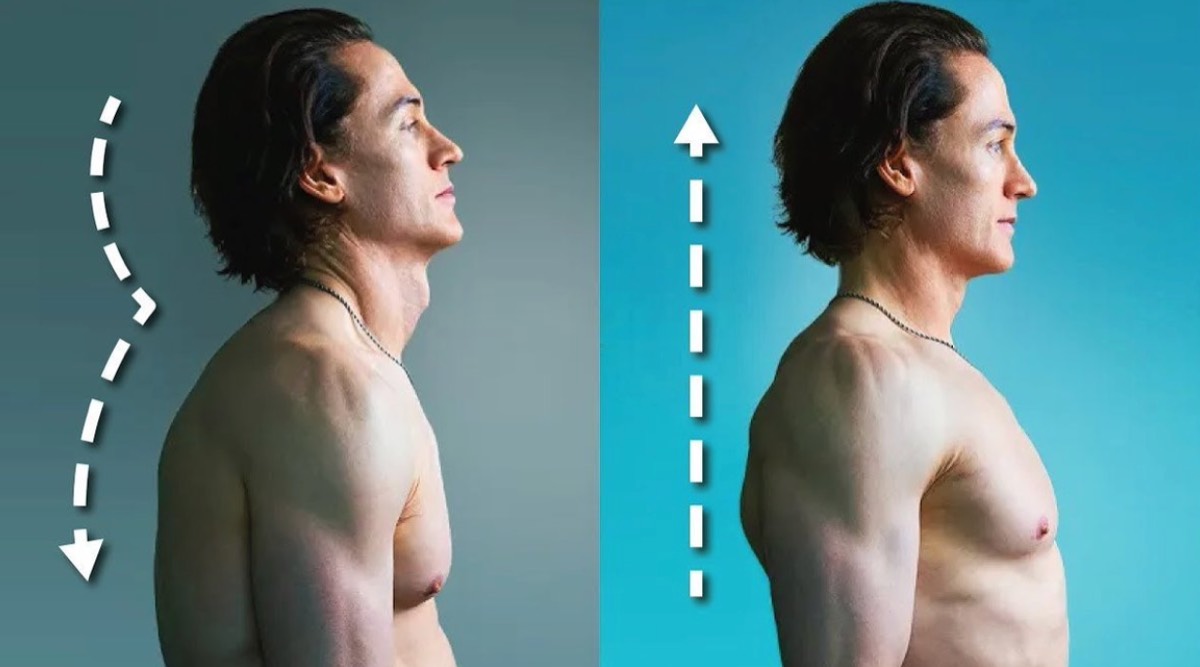
Bad posture could be killing your brain.
I was getting headaches and brain fog. Then we discovered something bad.
Through an MRI, we found that my posture was trapping blood in my brain, blocking it from flowing properly to my heart.
Was I going to have a seizure? A stroke? I didn't know.
It was a ticking time bomb of a problem. My team and I went on red alert.
We discovered that I have genetically narrow internal jugular veins (major neck veins), and my bad posture was significantly cutting off blood flow.
Even with normal jugular veins, you may be doing the same with chronic poor posture.
──
Why our posture is so bad
Our posture norms are pretty bad. We:
- slump in our chairs all day
- look down at screens on our laps
- walk hunched over
Poor posture is normalized and it has all kinds of negative health effects:
- musculoskeletal pain
- circulatory issues
- digestive problems
- impaired lung function
- nerve compression
- spinal misalignment
- increased stress
- fatigue
- mood changes
- lower motivation
- sleep disturbances
──
The 5 changes I made
The good news is we can fix bad posture.
Here are the 5 changes I made and now maintain as habits:
1. Imagine a string pulling your spine straight up
Imagine you have a string going up through your spine and head, and it's pulled straight up.
2. Avoid things that invite bad posture (your phone is the worst)
When I look at my phone, I hold it up.
It's awkward and potentially embarrassing to be the person holding your phone up like this… but it's better than having bad posture.
When I bend my head down 60 degrees, I can feel the pressure building in my brain from the lack of blood flow.
3. Move every ~30 minutes throughout the day
Take a brisk walk. Climb some stairs. Do some stretches. Break out into dance. Anything active.
Movement improves blood flow and resets your posture.
4. Strengthen posture muscles
My physical therapist coached me on these exercises. I do them every day.
Exercise 1:
With weights in your hands, bring your shoulders up and out. Keep your elbows back. Do 1 set to fatigue 2 times a week.
Note: It's pretty technical and took me time to learn the technique. Watch a demo here.
Exercise 2:
With a hand on your forehead, resist the pressure of your hand pushing your head back.
When doing this, be very patient. Watch a demo here.
5. Expect initial soreness as these neglected muscles are engaged
It takes a lot of muscle to maintain proper posture. Feeling sore at first is normal. Keep going.
──
Improving my posture has been one of the most important things I've done in my wellness efforts at Blueprint.
Now, my posture no longer cuts off blood flow. We fixed the problem without surgery.
Good posture has a ripple effect.
It's not only for good health. Posture carries a profound psychological weight. When you stand tall, you exude confidence and self-acceptance.
Improving your posture doesn't just benefit you; it encourages those around you to be mindful of their own posture as well.
It takes time to build good posture muscles and break bad posture habits. It's worth it.
Be well, Bryan
Originally published in Bryan Johnson's Blueprint newsletter (February 16, 2026). This content is for informational purposes only and is not medical advice. Consult your healthcare provider before starting any new wellness protocol.